



Rear Cross Member
Service information for the Volkswagen ID.4 rear cross member, including component location, attachment points and repair-oriented removal and installation guidance.
Read guide




Braking assistance systems in the Volkswagen ID.4 are designed to support the driver in critical driving and emergency braking situations, helping to improve safety and vehicle stability. However, even with advanced technologies in the Volkswagen ID.4, the driver always remains fully responsible for maintaining control of the vehicle and ensuring safe driving →
 .
.
WARNING
Braking assistance systems in the Volkswagen ID.4 cannot replace driver awareness and operate only within their technical limits. Driving too fast on wet, icy, or slippery roads, or maintaining an insufficient distance from the vehicle ahead, can significantly reduce stability and lead to loss of control. Careless driving may result in accidents, serious injuries, or even fatal consequences.
 .
.When the ignition is switched on in the Volkswagen ID.4, all braking-related systems are automatically checked. Indicator lights will illuminate briefly and then turn off. If any indicator light remains on, this indicates a malfunction. In such cases, immediately contact an authorized Volkswagen dealer or service center. Volkswagen strongly recommends servicing your Volkswagen ID.4 at an authorized facility to ensure optimal safety and performance.
WARNING
The effectiveness of Electronic Stability Control (ESC) in the Volkswagen ID.4 may be significantly reduced if components affecting driving dynamics are improperly maintained or modified. This includes suspension changes or the use of non-approved wheel and tire combinations. Such conditions can increase the risk of accidents, serious injuries, or fatalities.
Electronic Stability Control (ESC)
 ESC actively stabilizes the Volkswagen ID.4 by reducing the risk of skidding and enhancing overall driving control →
 . When ESC is active, the indicator light flashes yellow, signaling system intervention.
Anti-Slip Regulation (ASR)
 ASR in the Volkswagen ID.4 prevents wheel spin during acceleration by regulating engine power and traction. The system enhances grip on slippery surfaces, and the indicator light flashes yellow when it is actively controlling wheel slip.
For optimal safety, always ensure that all braking assistance systems in the Volkswagen ID.4 are functioning correctly and combine their use with attentive, responsible driving habits.
In the Volkswagen ID.4, ASR (Anti-Slip Regulation) intelligently reduces drive power at wheels that begin to spin and continuously adapts torque distribution according to current road conditions. This advanced traction control system in the Volkswagen ID.4 makes starting off smoother, improves acceleration, and enhances stability when driving uphill or on slippery surfaces →
 .
.
Anti-Lock Braking System (ABS)
The ABS system in the Volkswagen ID.4 prevents the wheels from locking during heavy braking, allowing the driver to maintain steering control even in emergency situations. This ensures that the Volkswagen ID.4 remains maneuverable while braking →
 .
.
Brake Assist System (BAS)
The Brake Assist System (BAS) in the Volkswagen ID.4 helps reduce braking distance in critical situations by detecting rapid brake pedal application. When an emergency is detected, BAS increases braking pressure automatically, allowing the Volkswagen ID.4 to stop more effectively →
 .
.
Electronic Differential Lock (EDL and XDL)
The Electronic Differential Lock (EDL) in the Volkswagen ID.4 automatically applies braking force to a spinning wheel and redistributes power to the wheels with better traction. This improves stability and control, especially on uneven or slippery surfaces.
XDS, an enhanced version of EDL in the Volkswagen ID.4, provides additional support during cornering by applying targeted braking force to maintain the vehicle's path and improve handling precision.
Multi Collision Brake
The Automatic Post-Collision Braking System in the Volkswagen ID.4 activates automatically after a collision is detected by the airbag control unit. This function helps prevent secondary impacts by applying the brakes without driver input.
Requirements for automatic braking:
✓ The driver is not pressing the accelerator pedal.
Electronic braking distribution (EBD)
The Electronic Brakeforce Distribution (EBD) system in the Volkswagen ID.4 optimally distributes braking force between the front and rear axles, even outside of ABS intervention. This prevents rear wheel overbraking and ensures that the Volkswagen ID.4 remains stable during braking maneuvers.
Electromechanical brake booster (eBB)
The electromechanical brake booster (eBB) in the Volkswagen ID.4 supports the driver’s braking input when the ignition is switched on, amplifying the applied pedal force →
 . When driver assistance systems such as Adaptive Cruise Control (ACC) or emergency braking intervene, the brake pedal in the Volkswagen ID.4 may move automatically.
After the ignition is switched off, braking assistance in the Volkswagen ID.4 is gradually reduced. If the brake pedal is still pressed, messages will appear in the instrument cluster display indicating limited brake support.
Always secure the Volkswagen ID.4 against rolling when stationary (→ Parking).
WARNING
Driving the Volkswagen ID.4 without brake booster support or with reduced system functionality can significantly increase braking distance. This may result in accidents causing serious or fatal injuries.
Brake blending
Brake blending in the Volkswagen ID.4 seamlessly combines regenerative braking from the electric motor with conventional mechanical braking. This not only improves efficiency and energy recovery but also ensures smooth and consistent braking performance under all driving conditions.
For best performance, regularly maintain braking systems in the Volkswagen ID.4 and always combine these advanced technologies with attentive and responsible driving.
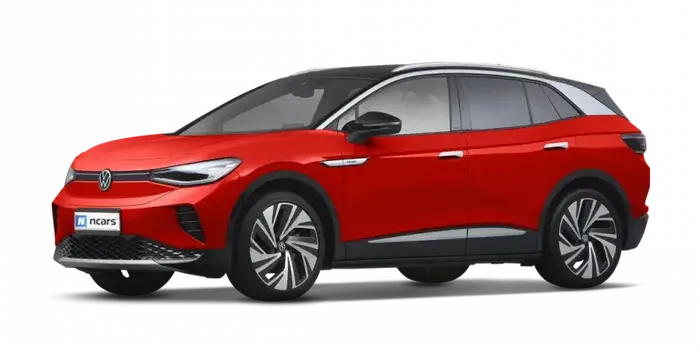
Selected owner and service information from our Volkswagen ID.4 manual library.
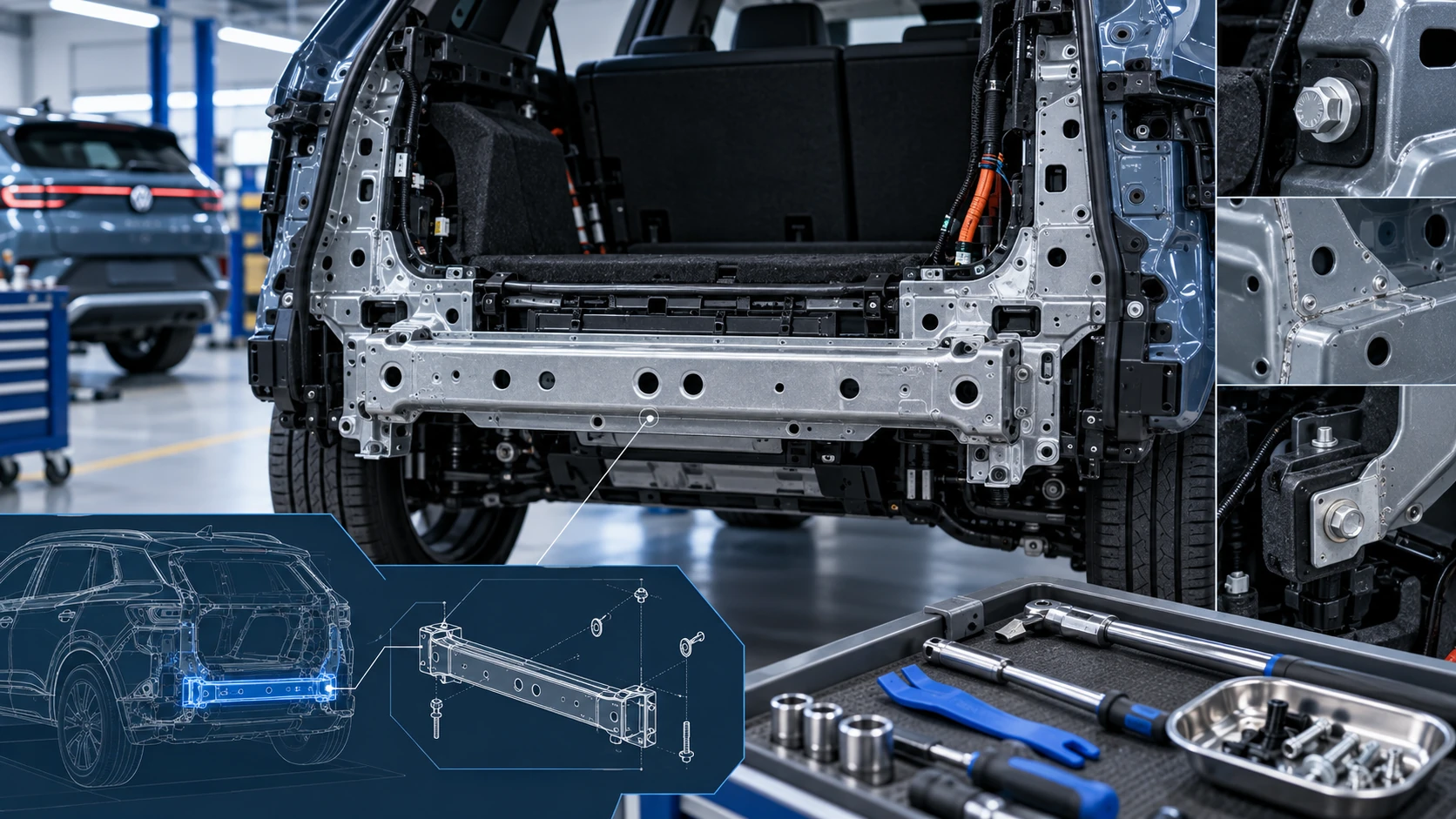 ID.4 Guide
Service information for the Volkswagen ID.4 rear cross member, including component location, attachment points and repair-oriented removal and installation guidance.
Read guide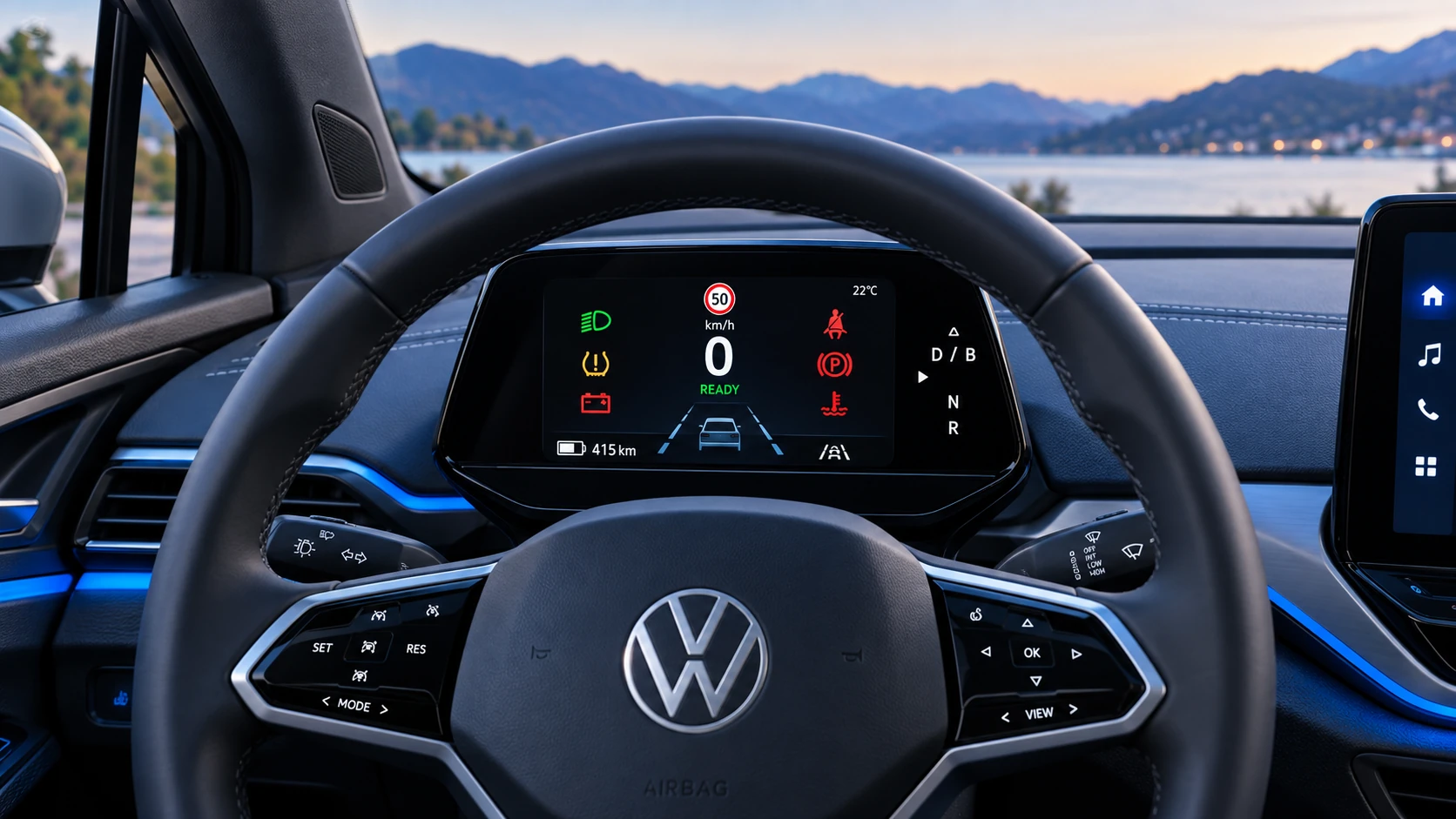 ID.4 Guide
A practical overview of Volkswagen ID.4 instrument cluster symbols, warning lights and status indicators to help drivers understand the display quickly.
Read guide