



Rear Cross Member
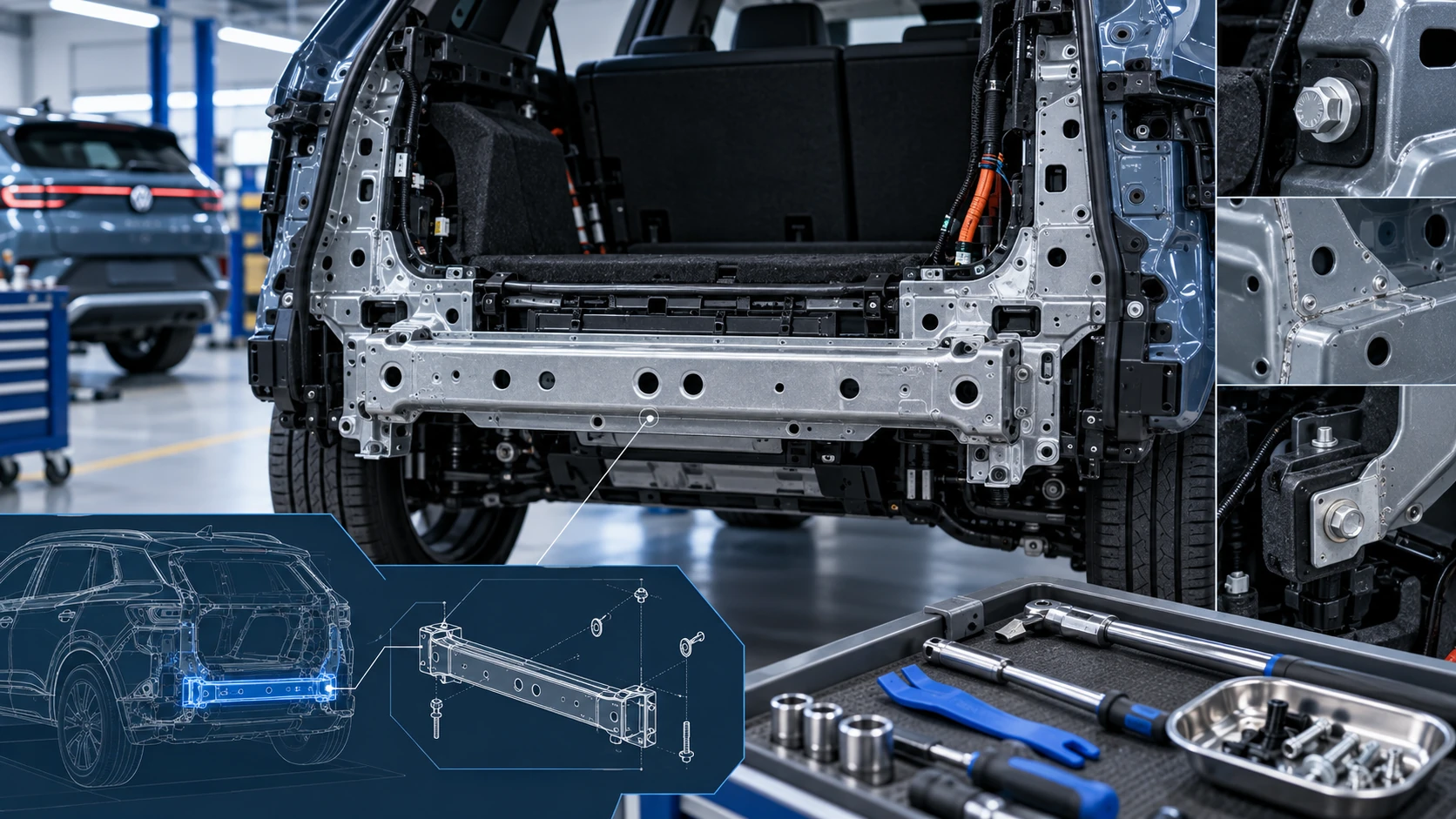
Service information for the Volkswagen ID.4 rear cross member, including component location, attachment points and repair-oriented removal and installation guidance.
Read guide




Removing and installing insulation for inner side of outer door panel
Special tools and workshop equipment required
The noise insulation for inner side of outer door panel will be referred to hereafter as "noise insulation".
Important
Removing
Installing
Install in reverse order of removal, observing the following:
If a new door is installed:
All vehicles (continued)
"Foil-laminated" insulation
All vehicles (continued)
"Bitumen" insulation
Note
The processing temperature for bitumen is 140 ºC.

Selected owner and service information from our Volkswagen ID.4 manual library.
 ID.4 Guide
Service information for the Volkswagen ID.4 rear cross member, including component location, attachment points and repair-oriented removal and installation guidance.
Read guide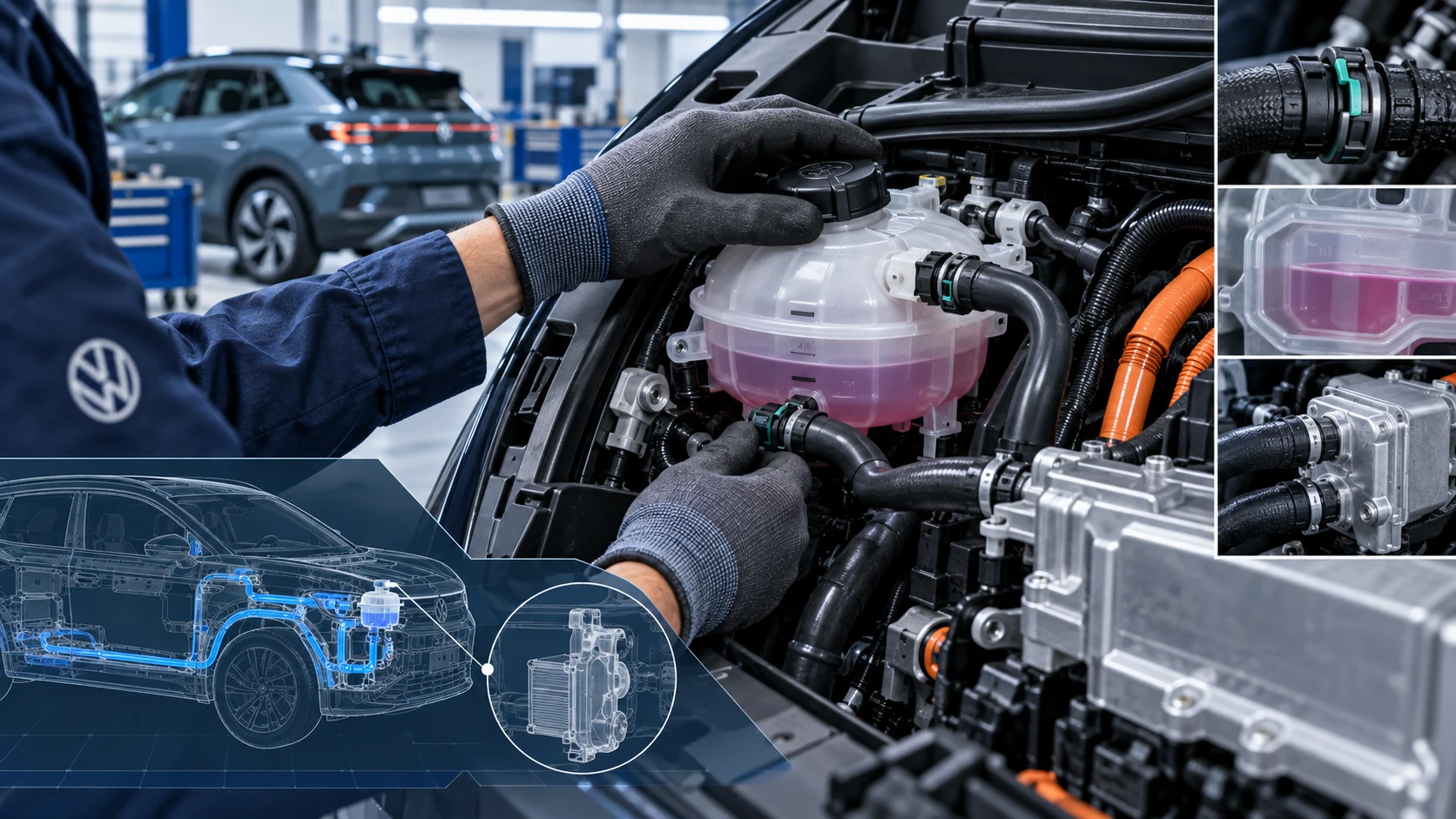 ID.4 Guide
Volkswagen ID.4 cooling system guidance covering coolant-related service information, inspection points and important precautions for thermal management components.
Read guide