Joining and Separating Techniques
Practical Volkswagen ID.4 service procedures for joining and separating components, connectors and assemblies correctly and without unnecessary damage.
Read guide




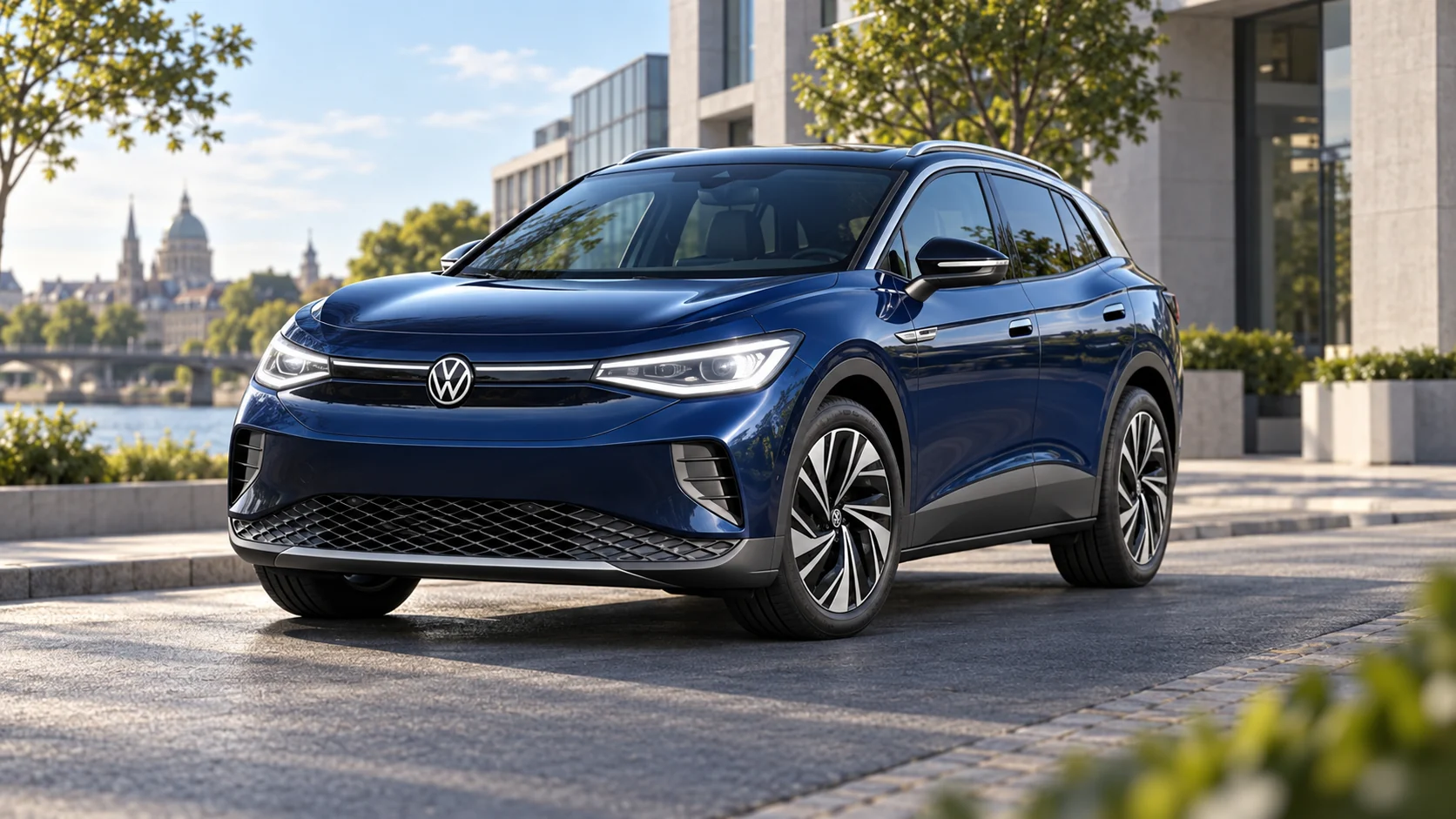
A detailed look at the model's origins, MEB architecture, charging systems, cabin technology and the engineering ideas behind Volkswagen's mass-market EV strategy.
The Volkswagen ID.4 marked a major step in Volkswagen's transition from combustion-engine vehicles to a dedicated electric-vehicle range. Rather than adapting an existing gasoline platform, the ID.4 was developed around Volkswagen Group's modular electric-drive architecture, allowing the battery, electric drive units, cooling systems and high-voltage electronics to be packaged specifically for an EV.
This page provides background on the Volkswagen ID.4 as a vehicle: where it came from, how its electric architecture differs from conventional cars, which technologies define the model, and how those systems affect everyday ownership and servicing.
Volkswagen introduced the ID.4 as part of a broader strategy to build a dedicated family of battery-electric vehicles. It followed the compact ID.3 and extended the same electric-first philosophy into the globally important crossover and SUV segment.
The model was conceived as an international vehicle rather than a Europe-only EV. Volkswagen planned production and sales across major markets, with versions tailored to regional requirements, equipment levels and charging standards.
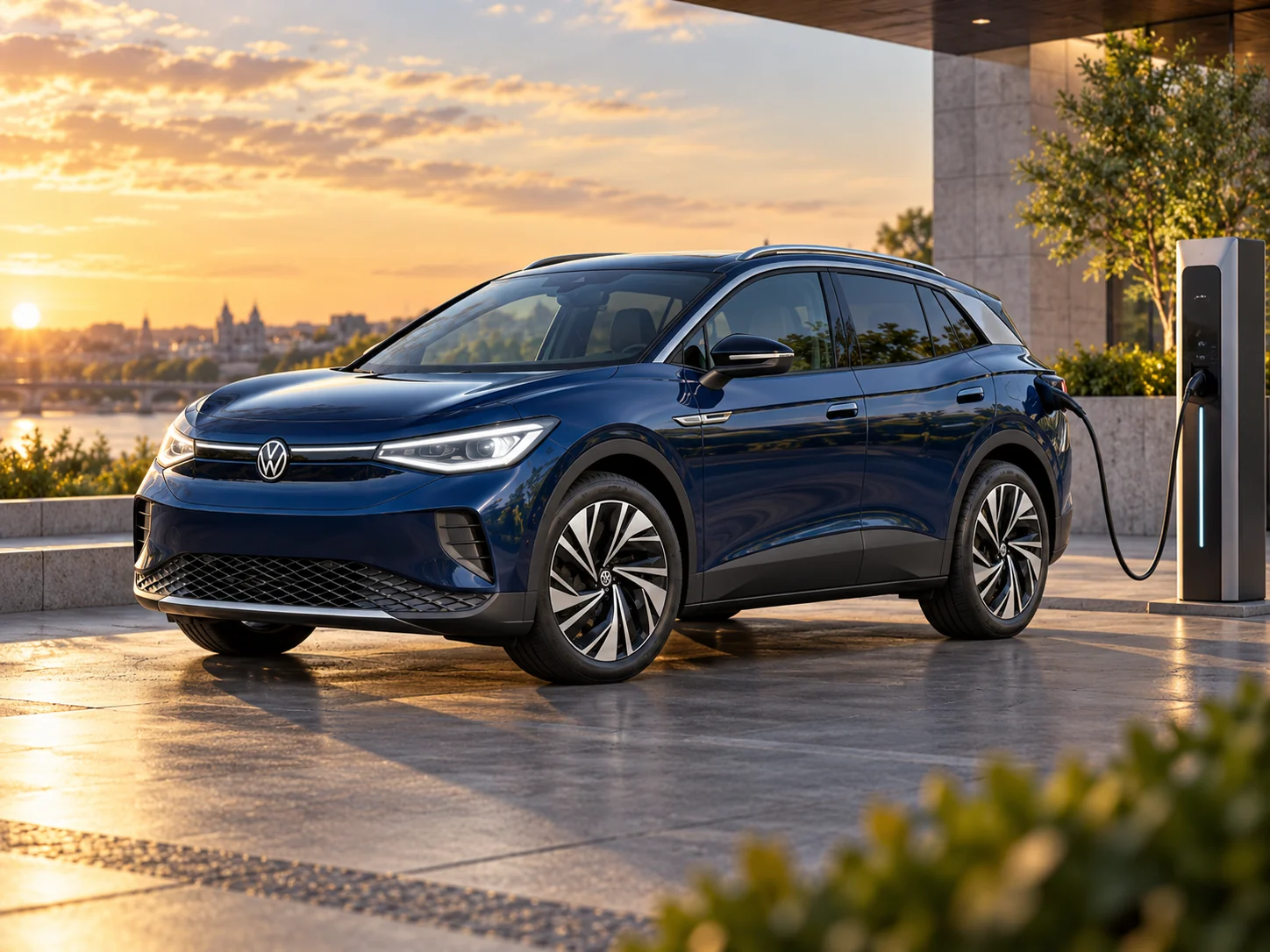
The ID.4 is based on Volkswagen Group's MEB electric architecture. Its flat high-voltage battery is mounted low in the floor between the axles, while the electric drive system is integrated into the vehicle without the packaging constraints of a conventional engine, transmission tunnel and exhaust system.
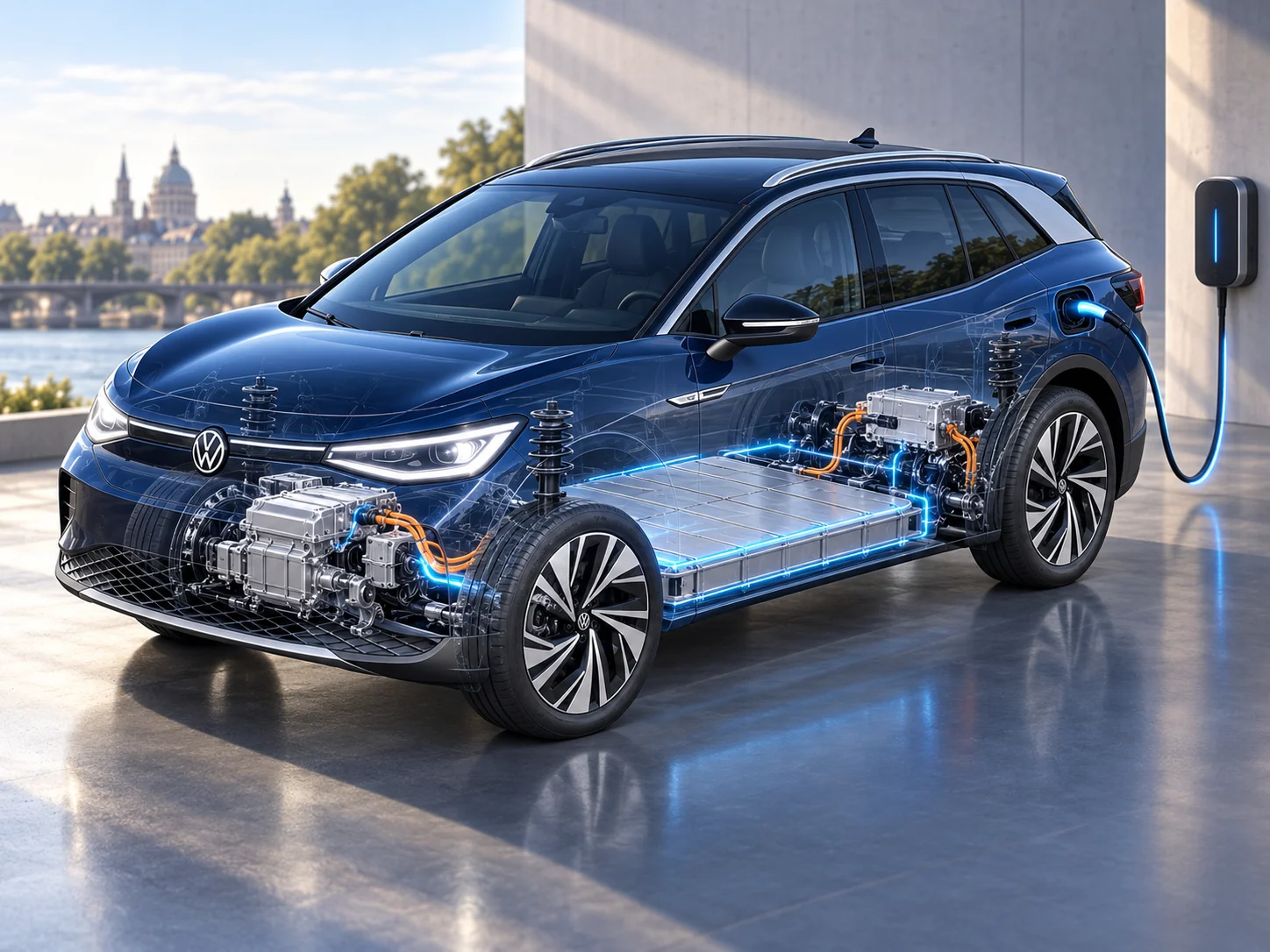
The high-voltage battery is central to the ID.4's design. It supplies the traction motor or motors as well as other high-voltage consumers through a network of control units, contactors, power electronics and thermal-management components.
Charging behavior depends on battery temperature, state of charge, available charging power and vehicle software. AC charging is primarily used for home and destination charging, while DC fast charging allows substantially higher charging rates when compatible infrastructure is available.
Lithium-ion cells operate most effectively within a controlled temperature range. The vehicle therefore manages heating and cooling to support performance, charging and battery protection.
Fast-charging power is not constant. The battery-management system reduces charging power as conditions require, particularly as the battery approaches a high state of charge.
The ID.4's cockpit reflects Volkswagen's move toward a software-centered vehicle. A compact driver display, central infotainment system, multifunction steering-wheel controls and electronic drive selection replace many of the traditional mechanical interfaces found in older Volkswagen models.
Depending on model year and equipment, the vehicle can include navigation, connected services, smartphone integration, driver-assistance functions and software-controlled charging or climate features. Because these systems are deeply integrated, many functions that once belonged to separate hardware switches are now managed through vehicle menus and electronic control units.
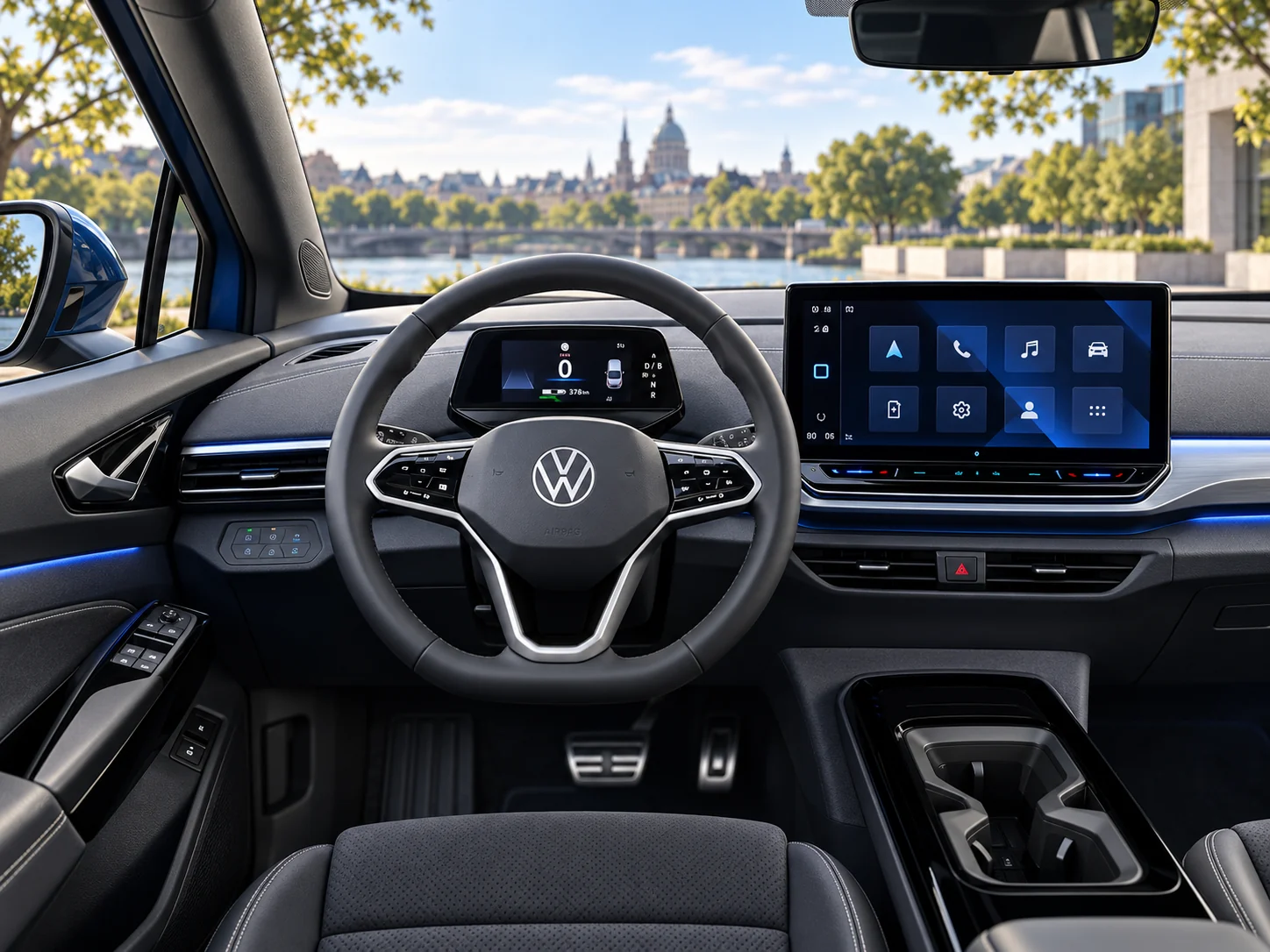
The ID.4 combines conventional automotive systems with EV-specific electronics. Braking, steering, climate control, body electronics, driver assistance and network communication all interact with the high-voltage drivetrain and central software architecture.
During deceleration, the electric drive can operate as a generator and return energy to the high-voltage battery. Mechanical brakes remain essential and are blended with regenerative braking according to vehicle conditions and control strategy.
Electric vehicles must manage the temperature of the traction battery, power electronics, electric drive and passenger compartment. These systems interact differently from the cooling and heating circuits of a combustion-engine vehicle.
Depending on equipment, radar, cameras, ultrasonic sensors and electronic control units support functions such as adaptive cruise control, lane assistance, parking support and collision-related warning systems.
Many ID.4 functions depend on communication between multiple control modules. Diagnostic procedures therefore often involve software versions, fault memory, control-unit communication and system calibration in addition to mechanical inspection.
Selected owner and service information from our Volkswagen ID.4 manual library.
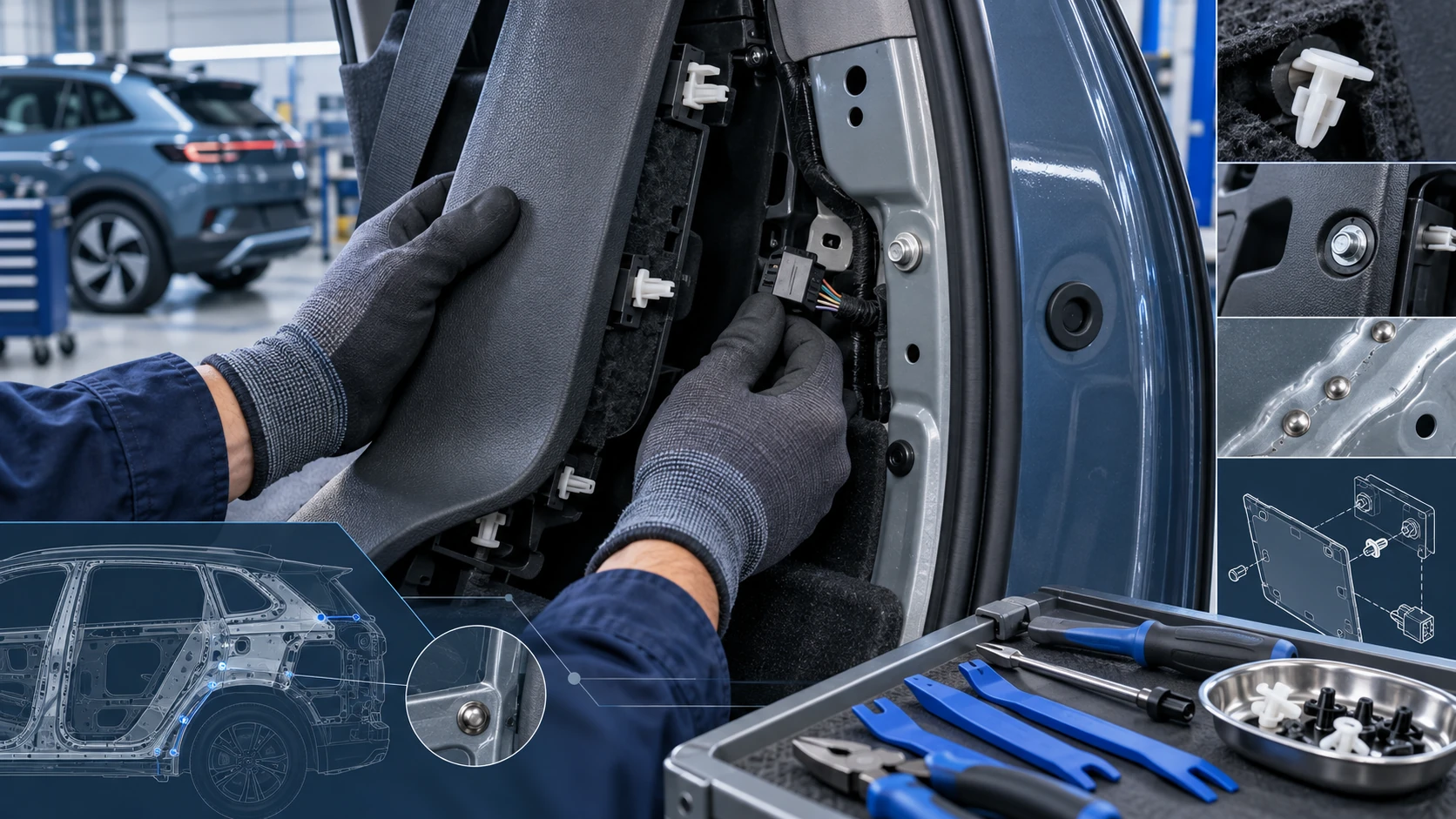 ID.4 Guide
Practical Volkswagen ID.4 service procedures for joining and separating components, connectors and assemblies correctly and without unnecessary damage.
Read guide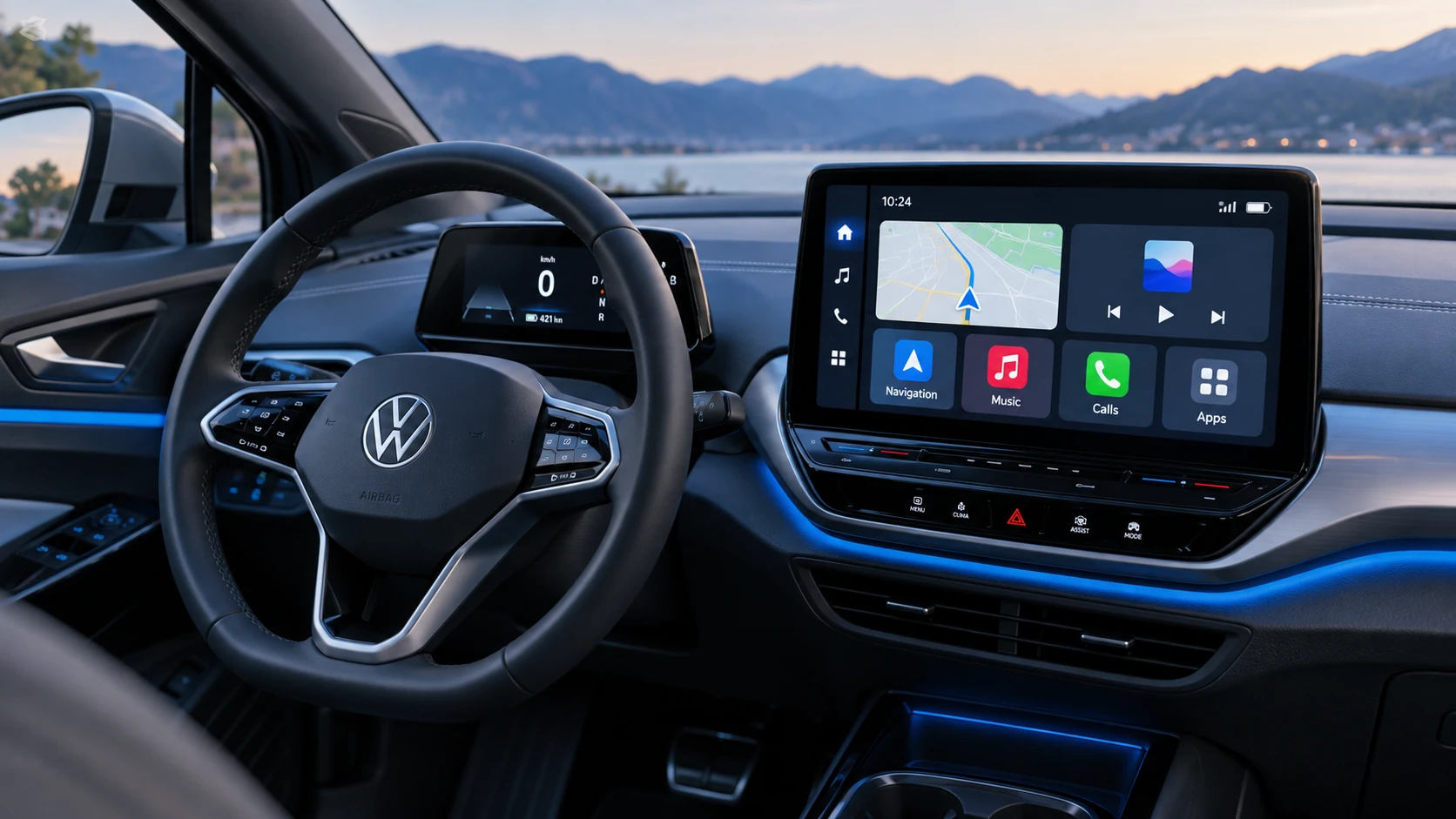 ID.4 Guide
See how Apple CarPlay works in the Volkswagen ID.4, including smartphone integration, navigation, calls, music and key infotainment functions.
Read guide